Software Engineering
Future of Full-Stack Development in 2026
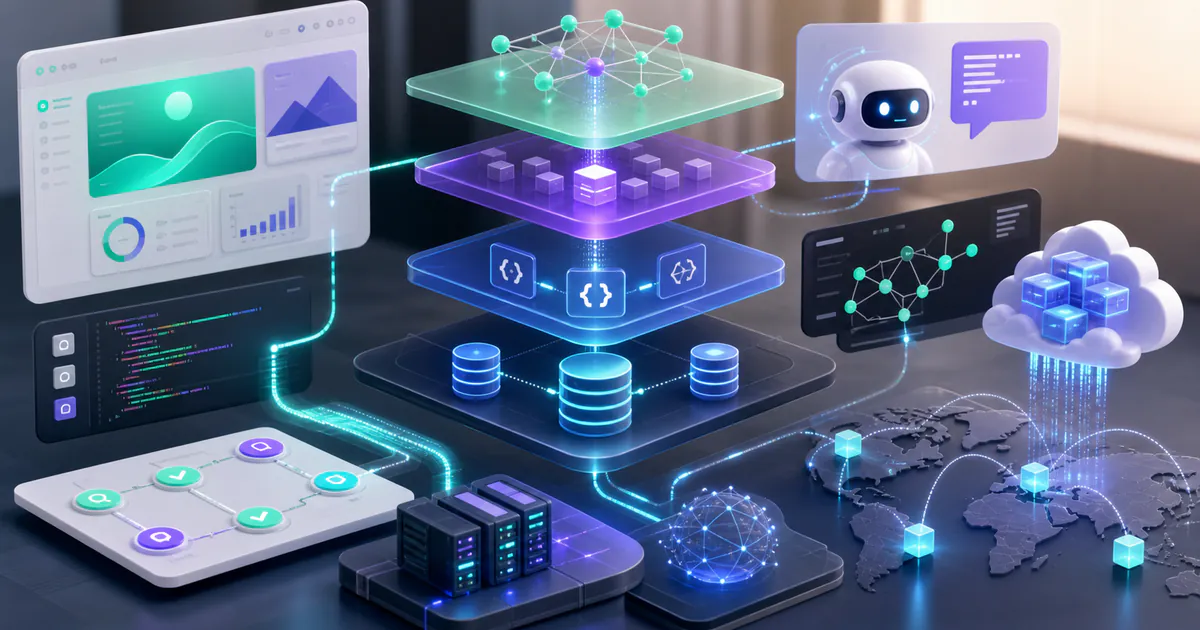
The future of full-stack development is less about knowing every framework and more about connecting product thinking, AI-assisted workflows, cloud architecture, security, performance, and user experience. In 2026, full-stack developers are expected to move comfortably from UI to API, from database design to deployment, and from code generation to code review.
This does not mean one person should own everything alone. It means the best engineers understand how decisions across the stack affect the product. A frontend choice can change API shape. A database model can shape user experience. A cloud decision can affect cost and reliability.
AI as a Daily Collaborator
AI copilots are becoming part of everyday development. They help draft components, explain legacy code, write tests, generate documentation, and review pull requests. The developer's role shifts toward asking better questions, validating output, and making product-aware tradeoffs.
Useful AI-assisted tasks include:
- Creating a first draft of repetitive code.
- Converting requirements into test cases.
- Summarizing unfamiliar modules.
- Finding possible edge cases.
- Drafting migration plans.
The strongest developers use AI to move faster without lowering standards.
Serverless and Edge by Default
Full-stack architecture is becoming more distributed. Serverless functions, edge middleware, managed databases, queues, and hosted authentication let small teams build systems that previously required large infrastructure groups.
Good platform choices help developers focus on:
- User workflows.
- Data consistency.
- Security boundaries.
- Performance budgets.
- Cost visibility.
The challenge is understanding when managed services simplify the product and when they create lock-in or hidden complexity.
Type Safety Across the Stack
Type-safe development is becoming a normal expectation. TypeScript, schema validation, generated API clients, and typed database layers reduce mistakes between frontend and backend.
type BlogPost = {
  slug: string;
  title: string;
  description: string;
  tags: string[];
};
Types do not guarantee good software, but they make contracts visible. That helps teams refactor faster and review changes with more confidence.
Product Engineering Mindset
The full-stack developer of the future is not only a code implementer. Product engineering means understanding why a feature matters, how users move through it, and which technical tradeoffs support the business.
That includes:
- Measuring feature adoption.
- Improving onboarding flows.
- Watching performance metrics.
- Reducing support issues.
- Shipping small, reversible changes.
Technical skill becomes more valuable when connected to user outcomes.
Security and Reliability Expectations
Security, observability, and reliability are moving earlier in the workflow. Developers are expected to validate inputs, protect secrets, add logs, monitor errors, and understand deployment behavior.
Future-ready full-stack teams will build:
- Secure-by-default API patterns.
- Automated tests in pull requests.
- Observability for critical flows.
- Clear incident recovery paths.
- Cost-aware architecture reviews.
Skills That Stay Durable
Frameworks will change, but several skills keep their value. Learn how HTTP works, how databases behave under load, how browsers render pages, how authentication fails, and how teams ship safely. These fundamentals make every new tool easier to evaluate.
Durable full-stack skills include:
- Debugging across client, server, and database.
- Writing clear interfaces between systems.
- Understanding latency and caching.
- Communicating tradeoffs with non-engineers.
- Designing small changes that can be reversed.
Related Reading
- Benefits of Next.js for Modern Web Development
- Benefits of JavaScript for Modern Web Development
- AI-Powered Code Review for Developer Workflows
Final Thoughts
The future of full-stack development belongs to engineers who can learn quickly, work across boundaries, and keep product value in focus. AI, serverless, edge platforms, and automation will keep changing the tools. The durable skill is knowing how to turn those tools into reliable software people actually want to use.
Keep reading
Related blogs
Web Development
AI in Next.js Development for Modern React Apps
Learn how AI in Next.js development improves React apps with server components, edge functions, automation, smarter UX, and full-stack delivery in 2026.
Read related article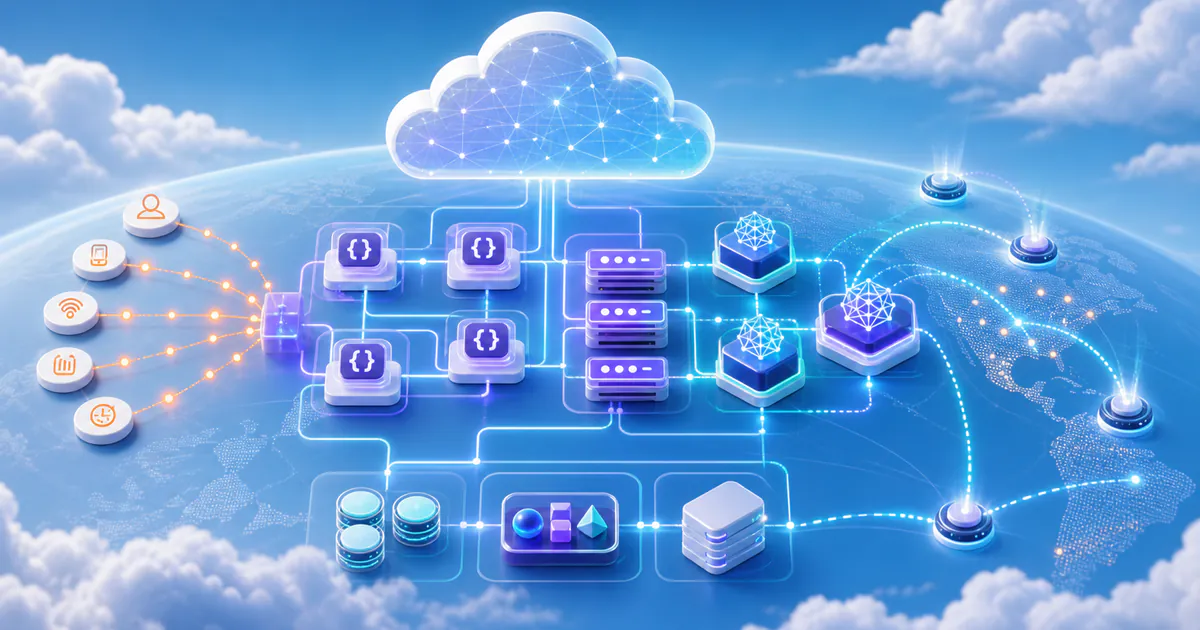
Cloud Computing
Serverless Computing Trends for Cloud Apps
Explore serverless computing trends for modern apps, including edge functions, event-driven workflows, AI workloads, APIs, and cloud-native scaling in 2026.
Read related article
Web Development
Benefits of JavaScript for Modern Web Development
Explore why JavaScript, Node.js, React, TypeScript, and full-stack web apps remain essential for modern development and scalable products.
Read related article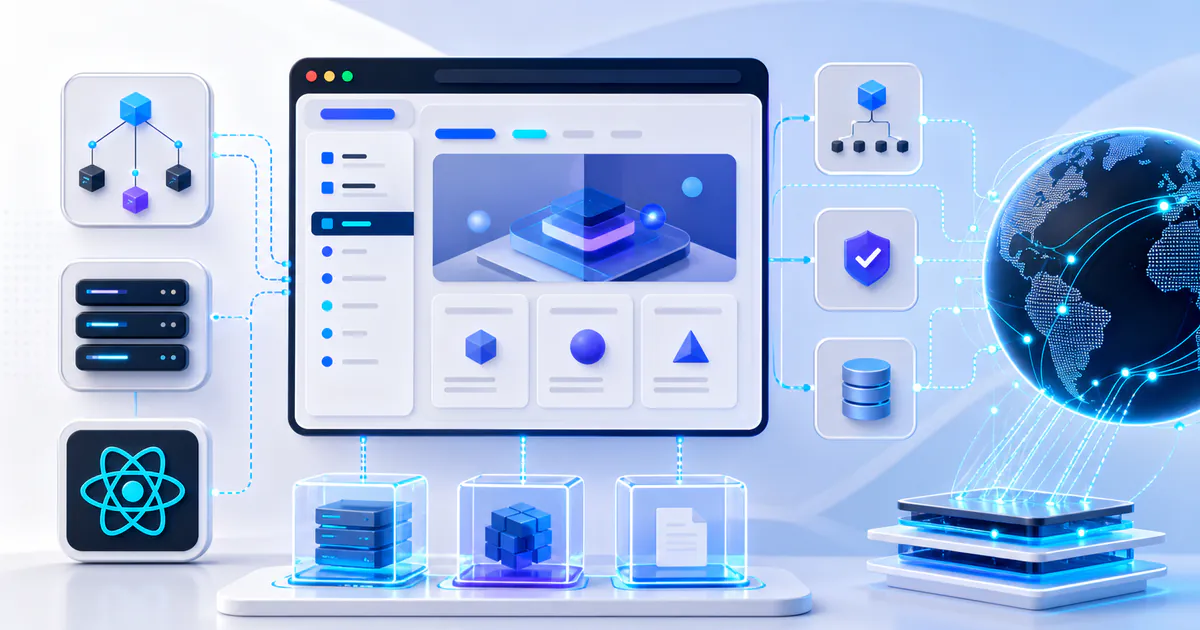
Web Development
Benefits of Next.js for Modern Web Development
Discover why Next.js, React Server Components, app router, edge rendering, and AI-ready full-stack workflows drive modern web development.
Read related article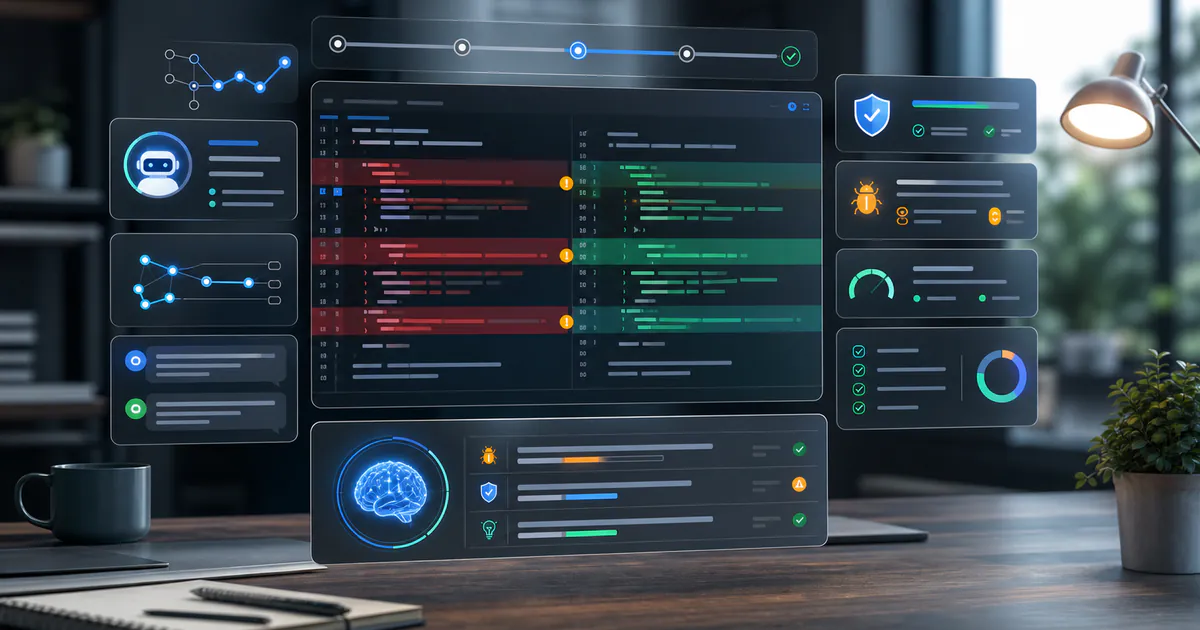
Software Engineering
AI-Powered Code Review for Developer Workflows
Use AI-powered code review to catch bugs, improve security, enforce standards, speed pull requests, reduce toil, and strengthen developer workflows today.
Read related article